Main Characteristics and Cost Analysis of Flexible Circuit Board
1. Flexibility and Reliability of Flexible Circuits
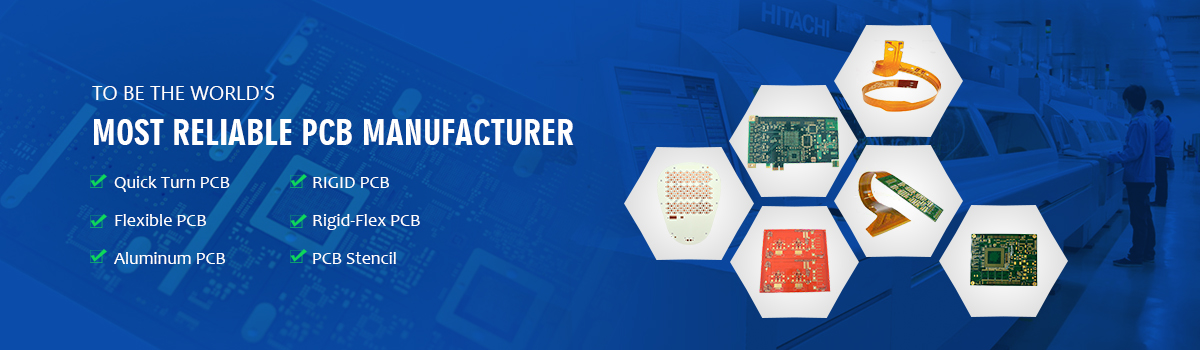
At present, there are four kinds of flexible circuits: one-sided, two-sided, multi-layer flexible board and rigid flexible board.
Single-sided flexible board is the lowest cost, when the electrical performance requirements are not high. single-sided flexible board should be selected for one-sided wiring. It has a layer of conductive pattern etched by chemical etching and a layer of calendered copper foil on the surface of flexible insulating substrate. Insulation substrates can be polyimide, polyethylene terephthalate, aromatic amide fiber ester and polyvinyl chloride.
(2) The double-sided flexible PCB is a conductive pattern made by etching one layer on each side of the insulating base film. Metallized holes connect the graphics on both sides of the insulating material to form conductive paths to meet the flexibility of the design and use functions. The covering film can protect the single and double-sided conductors and indicate the location of the components.
(3) Multilayer flexible board is to laminate three or more layers of single-sided or double-sided flexible circuit together, through drilling L, electroplating to form metallized holes, forming conductive paths between different layers. In this way, complex welding process is not needed. Multilayer circuits have huge functional differences in higher reliability, better heat conductivity and more convenient assembly performance. In the design of layout, the interaction between assembly size, layers and flexibility should be taken into account.
(4) The traditional rigid-flexible PCB Board is composed of rigid and flexible substrates pressed together by selective strata. The structure is compact and the conductive connection is formed by metallized L. If both sides of a PCB have components, rigid-flexible PCB is a good choice. But if all the components are on one side, it will be more economical to use double-sided flexible board and laminate a layer of FR4 reinforcement material on the back.
The flexible circuit with mixed structure is a kind of multi-layer board, and the conductive layer is composed of different metals. An 8-layer PCB board uses FR-4 as the inner medium and polyimide as the outer medium. Leads are extended from three different directions of the main board. Each lead is made of different metals. Contantan alloy, copper and gold are independent leads. This kind of hybrid structure is mostly used in the relationship between electrical signal conversion and heat conversion, and in the case of low temperature with harsh electrical performance. It is the only feasible solution.
The best performance-price ratio can be achieved by evaluating the convenience and total cost of the interior design.
2. Economy of Flexible Circuits
If the circuit design is relatively simple, the overall size is not large, and the space is suitable, the traditional interconnection method is mostly much cheaper. Flexible circuit is a better choice for design if the circuit is complex, many signals are processed or special electrical or mechanical properties are required. Flexible assembly is the most economical method when the size and performance of applications exceed the capacity of rigid circuits. A 12 mil pad with 5 mil through hole and a 3 mil line and spacing flexible circuit can be made on a thin film. Therefore, it is more reliable to mount chips directly on thin films. Because it does not contain flame retardants that may be the source of ionic drilling dirt. These films may be protective and cured at higher temperatures, resulting in higher glass transition temperatures. The cost savings of flexible materials over rigid materials are due to the removal of connectors.
The high cost of raw materials is the main reason for the high price of flexible circuits. The price of raw materials varies greatly. The cost of raw materials used in the lowest cost polyester flexible circuit is 1.5 times that of the rigid circuit, while the cost of high performance polyimide flexible circuit is as high as 4 times or higher. At the same time, the flexibility of the material makes it difficult to automate processing in the manufacturing process, resulting in a decline in production; in the final assembly process, defects are prone to occur, including stripping of flexible accessories, line breakage. When the design is not suitable for application, this kind of situation is more likely to happen. Under the high stress caused by bending or forming, it is often necessary to choose reinforcement or reinforcement materials. Despite its high cost of raw materials and troublesome manufacturing, foldable, flexible and multi-layer splicing functions can reduce the size of the whole assembly, reduce the material used, and reduce the total assembly cost.
Flexible circuit industry is in the process of small scale but rapid development. Polymer thick film process is an efficient and low cost process. The process selectively screen printed conductive polymer ink on cheap flexible substrates. Its representative flexible base material is PET. Polymer thick film conductors include silk-printed metal fillers or carbon powder fillers. The polymer thick film process itself is very clean, using lead-free SMT adhesives without etching. Because of its additive process and low cost of substrates, polymer thick film circuit is 1/10 of the price of copper polyimide thin film circuit and 1/2-1/3 of the price of rigid circuit board. The polymer thick film method is especially suitable for the control panel of equipment. In mobile phones and other portable products, polymer thick film method is suitable for converting components, switches and lighting devices on the printed circuit motherboard into polymer thick film circuit. It not only saves costs, but also reduces energy consumption.
Generally speaking, flexible circuits are indeed more expensive and costly than rigid circuits. In many cases, flexible panels have to face the fact that many parameters are beyond tolerance range. The difficulty in manufacturing flexible circuits lies in the flexibility of materials.
3. Cost of Flexible Circuits
Despite the above cost factors, the price of flexible assembly is declining, becoming close to the traditional rigid circuit. The main reason is the introduction of new materials, the improvement of production process and the change of structure. Nowadays, the structure makes the thermal stability of products higher, and few materials do not match. Some newer materials can produce more precise lines because of thinner copper layers, making components lighter and more suitable for small spaces. In the past, copper foil was adhered to the medium coated with adhesives by roll pressing technology. Nowadays, copper foil can be directly formed on the medium without using adhesives. These technologies can produce copper layers several microns thick, and fine lines with 3mil or even narrower widths.
In the next few years, smaller, more complex and more expensive flexible circuits will require more innovative methods to assemble, and hybrid flexible circuits will be added. The challenge for the flexible circuit industry is to take advantage of its technological advantages to keep pace with computers, telecommunications, consumer demand and active markets. In addition, flexible circuits will play an important role in lead-free operations.