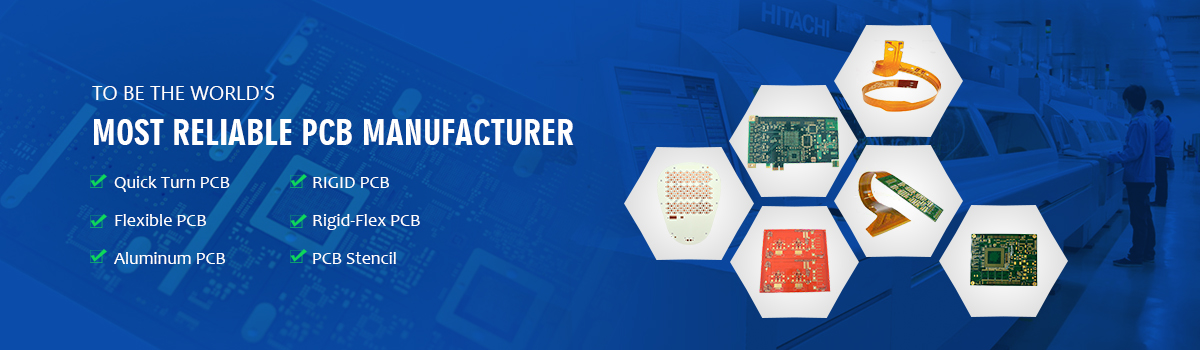
PCB plays a key role in the introduction of micro-LED applications.
The Impact of Micro LED
The principle of micro-LED display technology is to move the micron-grade RGB tricolor micro-LED chip onto the substrate.
In addition to the image (contrast, brightness, reaction speed.. ) In addition, it has the advantages of self-luminescence without backlight, energy-saving, simple mechanism, small size and thinning. It has become one of the key technologies for display manufacturers in various countries.
In the past, the main reason for the delay in commercialization of micro-LED is the technical bottleneck of mass transfer. If the size of LED crystal is less than 5 micron, the transfer cost is more than four times of the cost of crystal.
With more and more manufacturers investing in the huge transfer of research, such as Luxvue (Apple), X-Celeprint, ITRI, eLux, etc., whether using low melting point bonding materials or pressing head to achieve the purpose of grabbing LED, there has been a certain degree of progress, so the progress in commerce will be faster.
Among them, public information display (PID) is regarded as the popular market of Miro LED application, which can occupy about 20-30% of the market of public information display billboards.
Micro LED terminal products use different backplane materials according to their application fields. For example, large billboards, theatres and other super-large displays, PCB is expected to be used as backplane materials. For general TV and NB/PC displays, glass substrates are used as backplane, while for AR/MR products, Si substrates are used as backplane. Board materials, including large displays or outdoor billboards based on PCB substrates, are considered to be one of the largest application markets of future micro LED output value, such as Sony's large LED IS display, Samsung's 146-inch The Wall billboard, which uses PCB as the backplane of micro LED.
At present, the LED spacing of public displays is mostly about 1.5-2 mm. Many land-funded manufacturers have listed this market as a key project. Among them, Zhongjing Electronics has already produced corresponding PCBs in mass production, and will develop PCB products corresponding to 0.75 mm LED spacing in the future, and continue to develop PCB products corresponding to narrow the grain-to-frame distance, edge smoothness and higher hole-depth ratio. Except for a few manufacturers involved, the rest of Taiwan's anti-cheeky manufacturers are not too much ink.